

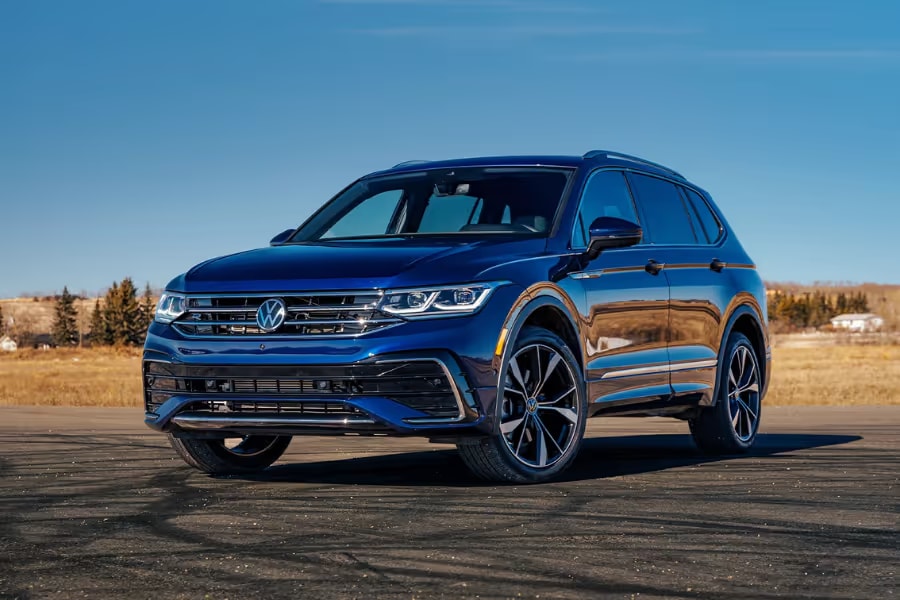
The Volkswagen Tiguan is a popular compact SUV known for its sleek design and robust performance. For potential buyers, understanding the Tiguan’s fuel efficiency is a crucial factor. Knowing the vehicle’s miles per gallon (MPG) can help you make an informed decision, especially in today’s economy where fuel efficiency directly impacts your budget. The Tiguan is worth buying for those seeking a balance of style, performance, and fuel efficiency.
For the 2024 Tiguan, experience the versatile midsize SUV that seats five and offers impressive fuel efficiency. Standard front-wheel drive delivers up to 23 MPG in the city and 30 MPG on the highway. For added confidence on slippery roads, choose the available 4Motion AWD on any of the three trim levels (S, SE, and SE R-Line Black). While AWD might slightly reduce fuel economy, you can still enjoy up to an EPA-estimated 22 MPG in the city and 29 MPG on the highway, ensuring a reliable and efficient ride no matter the conditions.
Explanation of MPG
Miles per gallon (MPG) measures how far a vehicle can travel on one gallon of fuel. It is a key indicator of fuel efficiency, providing valuable insight into a vehicle’s operating cost. The Environmental Protection Agency (EPA) conducts standardized tests to determine the official MPG ratings, which are essential for comparing different vehicles. However, real-world driving conditions can affect these figures, so it’s helpful to consider both EPA ratings and actual user experiences.
Volkswagen Tiguan MPG Ratings
The Volkswagen Tiguan offers competitive fuel efficiency across its various models and configurations. Here are the EPA-rated MPG figures for the latest Tiguan models:
|
Model Year |
Engine Type | City MPG | Highway MPG |
Combined MPG |
|
2024 |
2.0L Turbocharged | 23 | 30 | 26 |
|
2023 |
2.0L Turbocharged | 23 | 30 |
26 |
|
2022 |
2.0L Turbocharged | 23 | 29 |
25 |
|
2021 |
2.0L Turbocharged | 22 | 29 |
25 |
| 2020 | 2.0L Turbocharged | 22 | 29 |
25 |
| 2019 | 2.0L Turbocharged | 22 |
29 |
25 |
| 2018 | 2.0L Turbocharged | 22 | 27 |
24 |
The figures show slight variations across model years, primarily due to enhancements in engine technology and vehicle design.
Factors Affecting Volkswagen Tiguan’s MPG
Several factors can influence the Tiguan’s MPG, including driving habits, vehicle condition, and maintenance practices. Aggressive driving, frequent idling, and carrying heavy loads can reduce fuel efficiency. Keeping your Tiguan well-maintained—regular oil changes, proper tire pressure, and timely engine checks—helps maintain optimal fuel efficiency. Additionally, ensuring your tires are correctly inflated can significantly improve MPG.
Tips to Improve Tiguan’s MPG
To maximize your Tiguan’s fuel efficiency, consider the following tips:
- Eco-Driving Techniques: Smooth acceleration and braking, maintaining a steady speed, and avoiding excessive idling can improve MPG.
- Regular Maintenance: Keep up with scheduled maintenance, including oil changes, air filter replacements, and tire checks.
- Reduce Weight: Remove unnecessary items from the vehicle to reduce weight and improve fuel efficiency.
- Use Cruise Control: On highways, use cruise control to maintain a constant speed and save fuel.
Optimize Your Volkswagen Tiguan’s Fuel Efficiency Today!
The Volkswagen Tiguan offers respectable fuel efficiency, balancing performance and economy. By understanding its MPG ratings and following maintenance tips, you can maximize your Tiguan’s fuel efficiency and enjoy a more cost-effective driving experience. For more insights and tips on maintaining your Tiguan or other Volkswagen SUVs, explore our blogs. If you’re ready to buy a Volkswagen Tiguan, contact Brandon Tomes Volkswagen today!